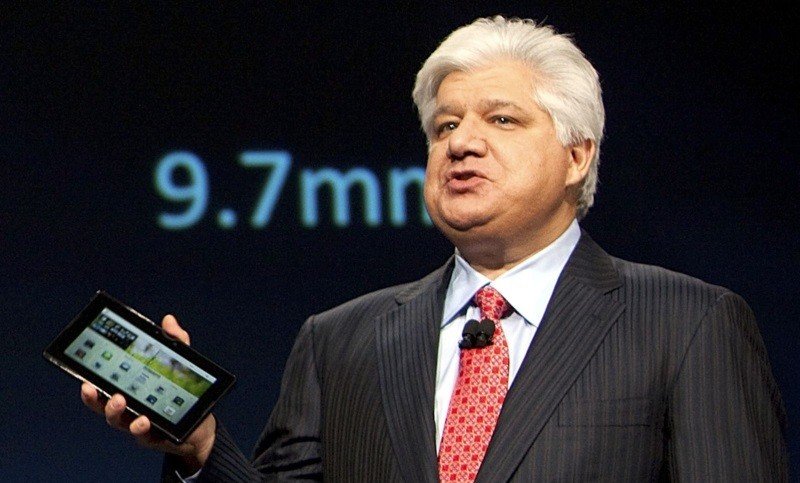
It's hard to remember now, but there was a time when a smartphone wasn't defined by Apple or Samsung — it was defined by a small physical keyboard, a black-and-white screen, and the logo of a single black fruit. That was BlackBerry, and it was born in a small university town in Canada, thanks to an idea from a student who never finished his degree.
Who founded BlackBerry?
In 1984, Mike Lazaridis and his close friend Douglas Fregin founded a company called Research In Motion (RIM) in Waterloo, Ontario. Lazaridis, born in Istanbul to a Greek family, immigrated to Canada as a child and grew up in Windsor, Ontario. He studied electrical engineering at the University of Waterloo — but dropped out just before graduating in order to devote himself fully to the new company, after landing an early development contract with General Motors.
In its early years, RIM developed wireless communication technology and data-messaging systems for businesses, including Mobitex radio-network devices for telecom carriers. In 1992, Jim Balsillie joined as co-CEO, focusing on the business and financial side of the company while Lazaridis led product and technology development.
From wireless pager to global phenomenon
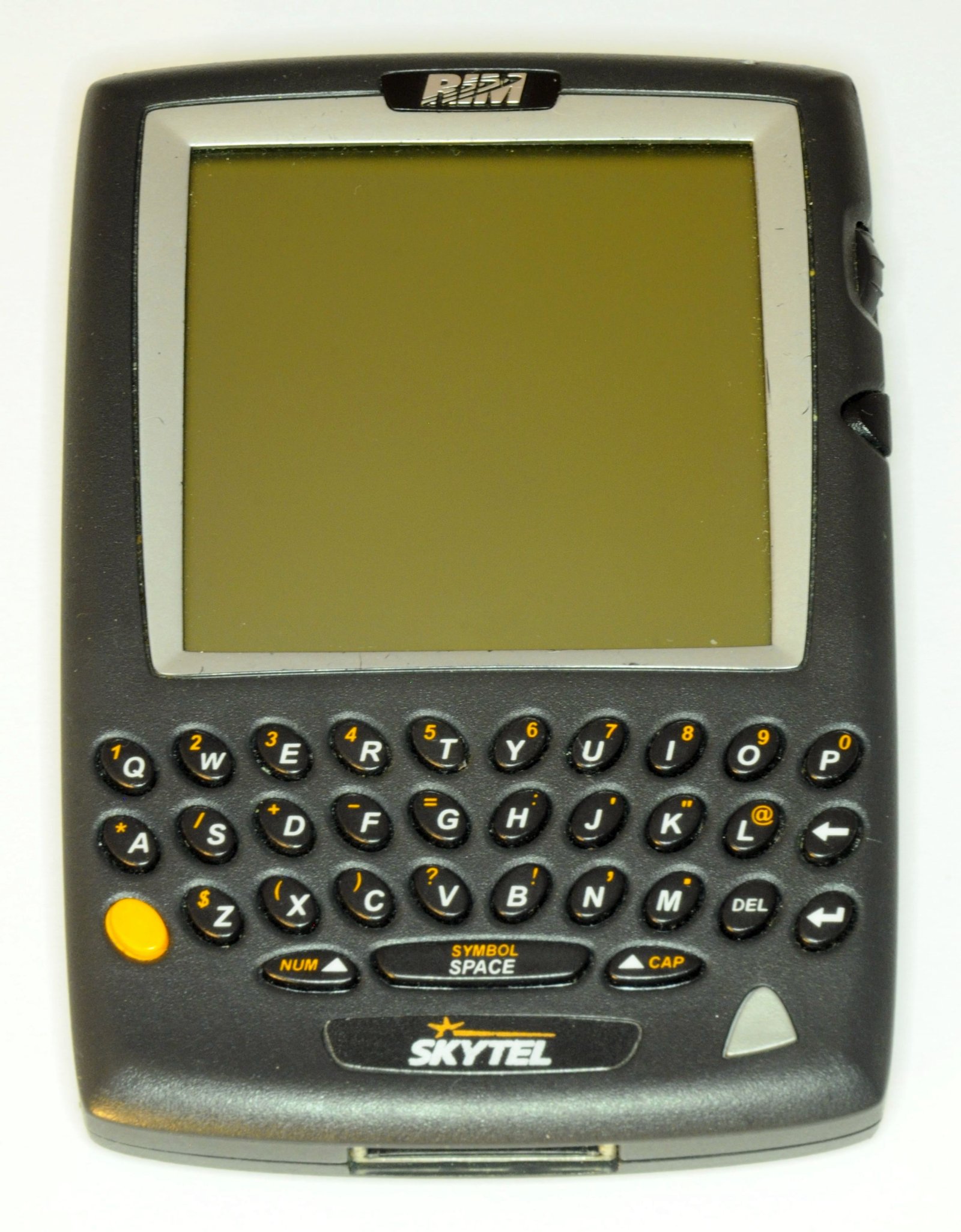
RIM's first commercially successful product was the RIM 900/950 — a two-way pager that could send and receive short text messages. But the real breakthrough came in 1999, with the launch of the first BlackBerry device: a pager with a tiny QWERTY keyboard capable of receiving corporate email directly and in real time, with no need to dial in or connect manually.
The device was built for the business world: executives, lawyers and finance professionals adopted it because it let them answer email from anywhere. The habit it created was so strong the device earned the unofficial nickname "CrackBerry." By the mid-2000s BlackBerry had added voice calling, and later its famous messaging service BBM, which became a cultural phenomenon in its own right — especially among teenagers and in markets like India, Indonesia and Nigeria.
- 1984 Lazaridis and Fregin found Research In Motion in Waterloo, Canada.
- 1992 Jim Balsillie joins as co-CEO alongside Lazaridis.
- 1999 The first BlackBerry device launches with push email support.
- 2003–2007 Mass adoption in the corporate world; the company reaches tens of millions of users.
- 2007 Apple unveils the iPhone — the beginning of a shift in what "smartphone" means.
- 2009–2011 BlackBerry's peak global market share, with roughly 80 million active users.
- 2012 Lazaridis steps down as co-CEO.
- 2013 The company officially renames itself from Research In Motion to BlackBerry Limited.
- 2016–2022 BlackBerry stops manufacturing its own phones and shifts focus to software and cybersecurity.
The fall: how the iPhone and Android changed everything
When Apple introduced the iPhone in 2007, RIM's leadership was initially confident: a device with no physical keyboard and none of BlackBerry's enterprise-grade security didn't look like a serious threat to the business market. But consumers thought differently. The touchscreen, the app store, and the overall experience of the iPhone — and later Android devices — reshaped what the public expected from a smartphone.
RIM tried to respond with its own touchscreen devices and the BlackBerry PlayBook tablet in 2011, but the products arrived too late and failed to win over the market. Global market share collapsed within a few years from tens of percent to a fraction of one percent. In 2012 Lazaridis stepped down as co-CEO, and in 2013 the company officially renamed itself from RIM to BlackBerry Limited — an attempt to rebrand a company already struggling for relevance.
What did Lazaridis do after BlackBerry?
Lazaridis remained a major shareholder in the company, but redirected much of his wealth and time toward scientific philanthropy — most notably founding and funding the Perimeter Institute for Theoretical Physics and the Institute for Quantum Computing at the University of Waterloo, the same school where the company itself began.
What's happening with the BlackBerry brand today?
The company stopped manufacturing its own phones (the license was passed to other manufacturers who kept making Android-based BlackBerry devices for a while). Today, BlackBerry Limited focuses on cybersecurity software and the QNX operating system, widely used across the automotive industry.
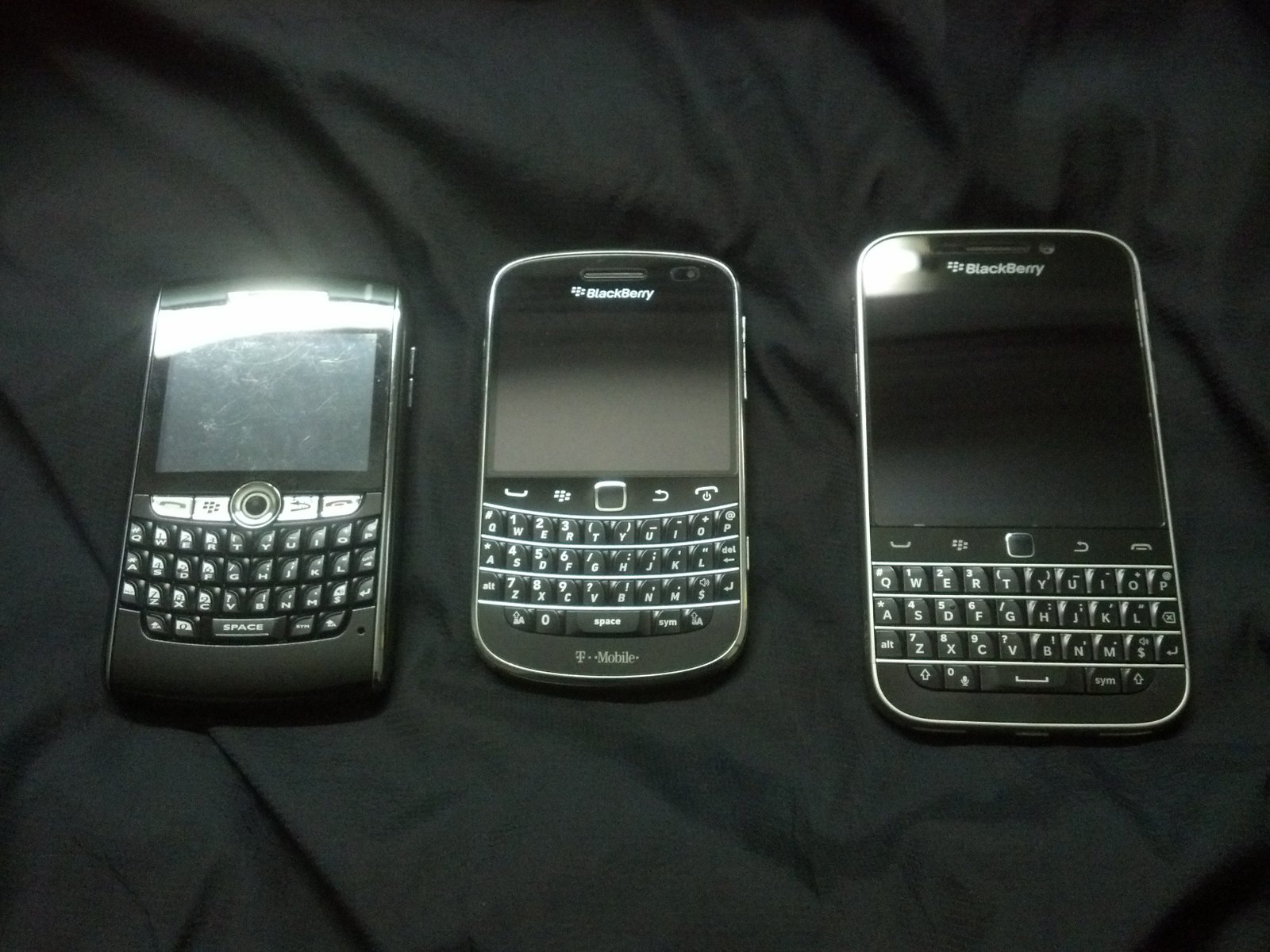
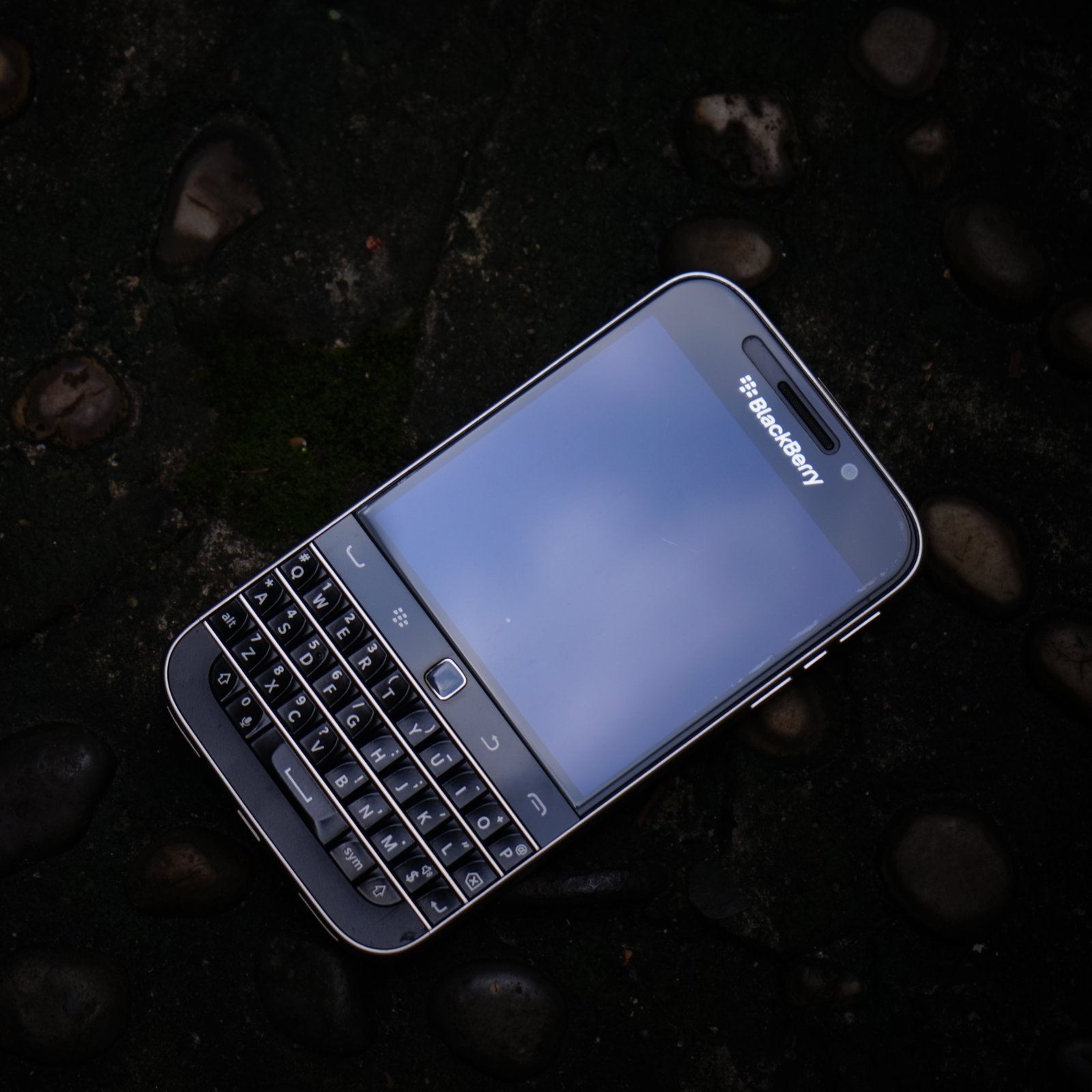
A gallery of devices through the years
Why BlackBerry's story still matters
BlackBerry's story isn't just nostalgia for a device that disappeared. It's a classic case study in the tech industry: a company that defined an entire category, held an almost total monopoly on a specific market — and fell because it didn't recognize in time that the definition of that category was shifting beneath it. Lazaridis himself addressed this many times in interviews: the problem wasn't a lack of technical ability, but the assumption that yesterday's competitive advantage (security, a physical keyboard, battery efficiency) would remain tomorrow's advantage as well.